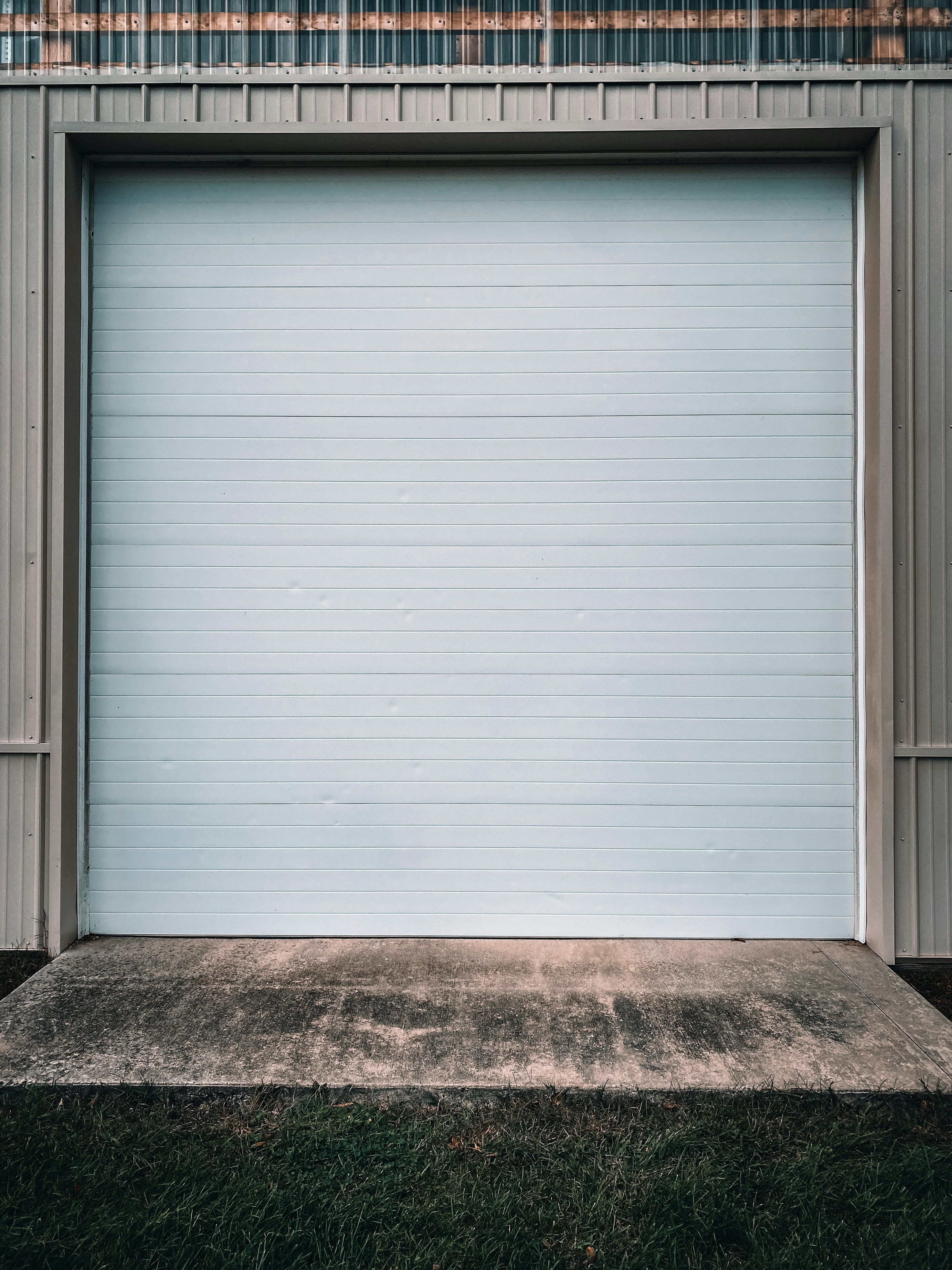
A Frequent Garage Door Issue That Arises From Multiple Causes.
Few garage door problems are more confusing than a door that begins to rise and then changes direction on its own before reaching the top. The behavior looks unpredictable, but in nearly every case there is a clear cause behind it. Every modern garage door is equipped with safety systems whose entire job is to halt the door whenever they detect a problem. So when the door reverses partway through opening, what you are actually seeing is one of those safety systems making a decision to stop. The positive side is that the underlying reasons are usually quick to identify once you know what to look for. The downside is more info that there is more than one possible cause, and you will need to work through them step by step. The walkthrough below follows the same order a professional garage door specialist would use during a real service visit, which means a simple fix may save you the cost of bringing one out.
The First Thing to Check Is the Photo Eye Sensors
The first thing to check is the photo eye sensors. These are the two small black boxes mounted on each side of the garage door, near the floor. One sends an invisible beam to the other. If anything blocks that beam while the door is moving, the door will reverse to keep from crushing whatever it sees. Walk over and look at both sensors. They should be lined up perfectly with each other. Most sensors have a small green or red light on them. Green usually means they are working. Red usually means they are blocked or out of alignment. Check for cobwebs, dust, leaves, or anything sitting in front of the lens. Wipe them clean with a soft cloth. If the lights are still red, gently nudge one sensor until both lights turn green. This fix solves about half of all garage door reversal problems.
Inspect for Obstructions in the Garage Door Tracks.
If the sensors look fine, the next check is the tracks on each side of the door. These are the metal rails the rollers travel up and down. Sometimes a small object gets stuck in the track. A pebble, a kid's toy, a piece of cardboard from a delivery box. As the door rises, it hits the obstruction, and the opener interprets that resistance as a sign the door is hitting something it shouldn't. The safety system reverses the door. Look up and down both tracks while the door is fully open. Remove any debris. While you're there, check whether any of the rollers look bent or broken. Damaged rollers can cause the same problem because they don't roll smoothly and create resistance the opener picks up on.
Examine the Door's Springs
Look up just above the top of the door, and you'll spot one or two long, tightly wound steel coils stretched across a shaft. These components are called torsion springs, and they're responsible for nearly all of the lifting power when the door opens. People often think the motor does the heavy work, but it doesn't. The opener mostly controls the direction of travel. The torsion springs supply the actual lifting force. As the spring ages or fails completely, the door's full weight transfers onto the opener, which was never designed to carry that load. After lifting the door only a short distance, the motor gives out and the door reverses back down. To examine the springs, look carefully along the length of each coil for any visible separation or fracture. A failed torsion spring will almost always show a clean two-inch gap where the metal snapped under tension. Should you discover a broken spring, do not attempt to repair or replace it on your own. Torsion springs store an enormous amount of stored energy, and mishandling one can cause a serious accident. This kind of repair should always be left to a qualified garage door specialist. The typical service call for torsion spring replacement falls in the range of two hundred to four hundred dollars.
Check the Door's Balance Manually
Even if the springs look okay, they might be weakening. Here's a simple test. Pull the red emergency release cord that hangs from the opener rail. This disconnects the door from the motor. Now lift the door by hand. A properly balanced door should feel light. You should be able to lift it with one hand, and it should stay in place when you let go halfway up. If the door feels very heavy, or if it slides back down when you let go, the springs are losing strength. A weak spring is one of the most common reasons a door reverses partway through the lift. Once you've tested, pull the release cord back toward the opener to reconnect it.
Adjust the Force Settings on the Opener
Look at the back of your opener's motor unit and you'll find two small adjustment dials or pushbuttons. One of them sets how much force the motor uses while raising the door, and the other sets the force used while lowering it. As time passes, hardware wears down and temperatures change with the seasons, which means the opener sometimes needs a small boost in force to lift the door properly. When that force level is set too low, the opener mistakes normal resistance for hitting an obstacle, and the safety feature kicks in to reverse the door. Whether you own a LiftMaster, Chamberlain, Genie, or Craftsman opener, the manual for your specific model will point out the exact location of these controls. Turn the up-force dial up by just a small amount, then run the door through a full cycle to see how it behaves. Make changes in tiny increments rather than big jumps. Cranking the force setting too high creates a real safety problem because the opener will keep applying pressure even when something is genuinely blocking the door.
Look at the Travel Limit Settings
The opener's travel limits determine the upper and lower points the door should reach. Incorrectly set limits the opener to mistakenly door has reached its reverse its direction. This issue outage, installation of a new opener, or maintenance work on the door. Similar to settings, the controls for adjusting the travel limits are located on the back opener motor. Referring to the manual them a simple task. If the door now travels too high or too low, it indicates a problem with the travel limits that should, even if the door is not completely reversing.
The Cold Weather Connection You Might Not Notice
In winter, a stiff and cold garage door can put extra strain on the opener. Old grease in the tracks becomes thick, rollers don't spin as smoothly, and the door becomes harder to lift. The opener works harder, hits its force limit, and reverses. If your door only reverses on cold mornings and works fine the rest of the day, this is probably what's happening. The fix is to clean the tracks and lubricate the rollers, copyrights, and springs with a garage door specific lubricant. Avoid WD-40, which actually cleans grease off rather than adding it. Use a lithium or silicone spray made for garage doors.
When to Stop Trying and Call a Pro
When you've gone through the sensors, inspected the tracks, looked at the springs, adjusted the force settings, checked the travel limits, and applied fresh lubrication, and the door is still reversing on you, the next step is to bring in a professional garage door repair company. Once you've ruled out the basics, the issue is almost always somewhere inside the opener unit — typically a stripped drive gear, a weakening capacitor, or a faulty logic board. Repairs involving these components require specialized tools and replacement parts that the average homeowner doesn't have on hand. A skilled technician will usually pinpoint the cause and get the door working again in less than an hour, with a typical service call running somewhere between one hundred and two hundred dollars before the cost of any parts is added in.
Comments on “A Garage Door Symptom That Points to Several Problems”